Islamic Finance as a Strategic Framework for Trust, Stability and Long-Term Value
Updated: Dec 19, 2025

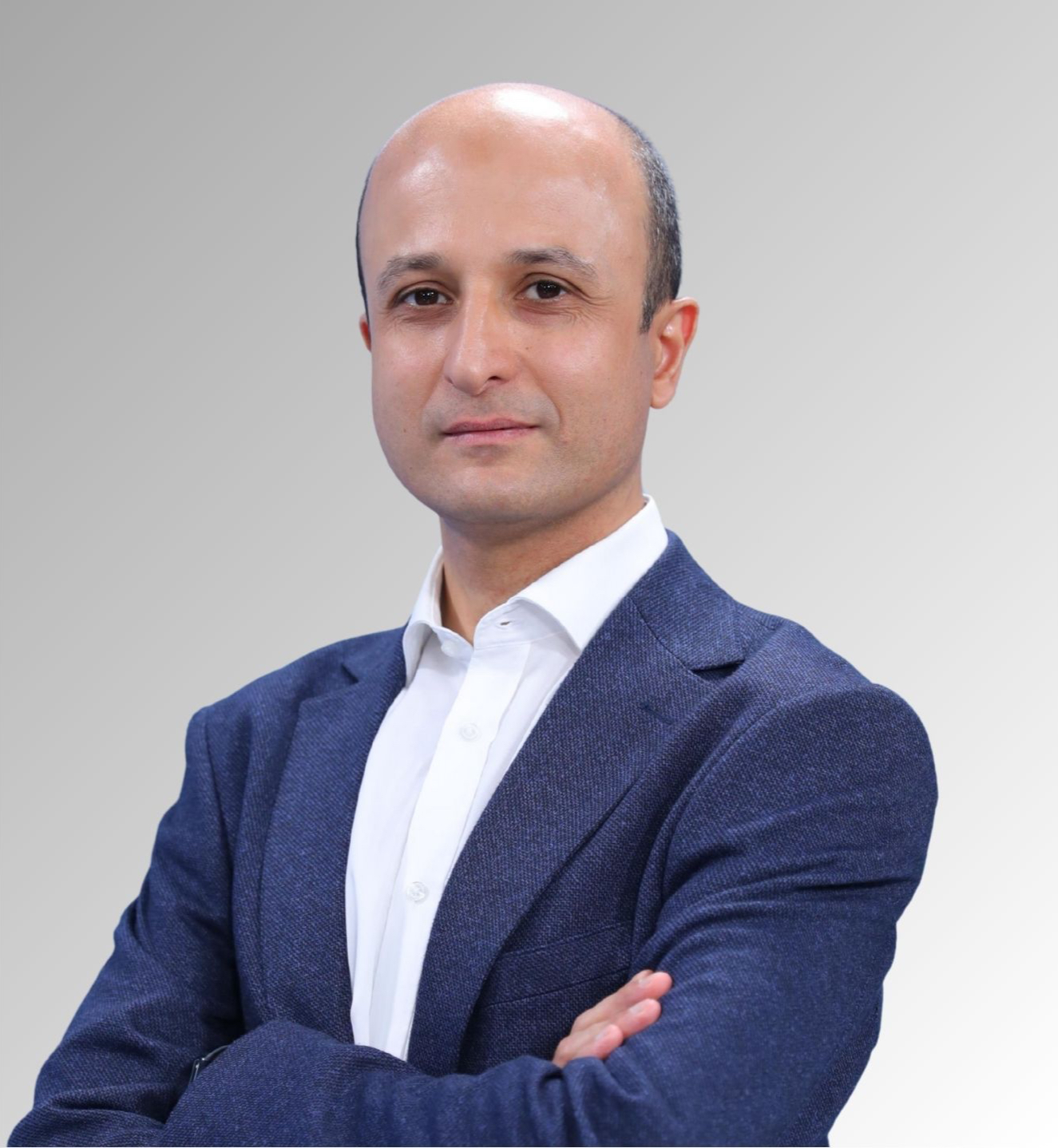
Azer Akperov, Chief Executive Officer, HBDC
For decades, the global financial system has evolved toward greater sophistication, but not always toward greater clarity. In a world of rising uncertainty, clients increasingly seek financial frameworks that balance innovation with transparency, discipline and ethics. Islamic finance — far from being a niche segment — has emerged as one of the fastest-growing pillars of the global financial landscape, offering precisely this balance.
According to the Islamic Financial Services Board, global Islamic financial assets surpassed $4.5 trillion in 2024, growing at nearly 10% annually, compared with the global banking sector’s average growth of 3–4%. This expansion is not only driven by the Gulf states and Southeast Asia; Central Asia, Türkiye, the Caucasus and parts of Europe are now actively integrating Islamic financial standards into their national development strategies.
Why Islamic Finance Matters Today
Islamic finance is often misunderstood as a religious alternative to conventional finance. In reality, it is a governance and risk-management philosophy grounded in three core principles:
Ethical deployment of capital — investments must be tied to real economic activity, not speculative instruments.
Transparency in risk-sharing — clients understand what they invest in and how value is generated.
Long-term value creation — financial structures emphasize resilience, accountability and stability.
These principles closely match today’s client expectations: clarity, fairness and relevance to the real economy.

Government Adoption is Accelerating
Countries that once viewed Islamic finance as peripheral are now actively integrating it into state policy. Kazakhstan, Uzbekistan and the UAE have adopted Islamic finance regulatory frameworks. Azerbaijan is evaluating models that could support diversified capital markets and SME development. The UK — one of the world’s major financial hubs — issues sovereign sukuk and hosts billions in sharia-aligned assets.
Governments adopt Islamic finance because it enables them to:
• attract long-term, stability-seeking investors,
• diversify funding channels,
• support SMEs through partnership-based financing,
• strengthen financial inclusion, especially in emerging markets.
For national economies aiming at sustainable development, Islamic finance becomes a catalyst, not an alternative.
What This Means for Clients
For businesses and investors, Islamic finance provides three concrete advantages:
1. Transparency
Models like Murabaha, Ijara and Musharakah make value creation understandable and traceable.
2. Financial Discipline
Islamic frameworks naturally reduce excessive leverage and speculative exposure — a critical demand in volatile markets.
3. Access to Global Capital
The sukuk market alone exceeded $200 billion in issuances in 2024, attracting sovereign wealth funds, pension funds and global institutions seeking ethical, stable investment instruments.
For clients in emerging markets, Islamic finance becomes a bridge to cross-border investment and trade — grounded in trust and aligned with long-term objectives.
A Strategic Opportunity for Our Region
The Caucasus, Central Asia and the broader Turkic region have the potential to become a new hub for ethical investment.
With strong entrepreneurial energy, demographic momentum and natural compatibility with Islamic principles, the region can benefit from a system where:
• SMEs gain access to fair and transparent financing,
• infrastructure projects secure long-term capital,
• investors receive ethical and sustainable opportunities,
• governments deepen economic resilience.
HBDC’s Perspective
At HBDC, Azerbaijan’s first Islamic private equity firm, we believe the future belongs to financial models that are disciplined, transparent and grounded in real economic value.
Our role is to help companies and investors build sharia-aligned structures that strengthen governance, reduce risk and enable sustainable growth — without engaging in regulated fundraising or asset management.
Looking Ahead